
 07 Mar 2026
Tags: North Dakota, Wildlife, Wild Life, bison, birding, wildlife viewing

BISMARCK, N.D. — March 6, 2026 — As the snow recedes across the Great Plains, North Dakota transforms into a premier destination for wildlife enthusiasts. With more national wildlife refuges than any other state, North Dakota offers a unique opportunity to witness the legendary animals of the American West as they become increasingly active during the spring season. From the rugged North Dakota Badlands to the lush river bottoms, travelers can truly see where the buffalo roam and the eagles soar.
Big Game Activity Peaks at Dawn and Dusk
Spring is a season of high energy for North Dakota's largest residents. The state is home to an expanding population of moose, now more numerous than when Lewis and Clark traveled the region in 1804. These massive animals, along with elk and pronghorn antelope, are most active during dawn and dusk. The pronghorn remains a highlight for visitors as the fastest land mammal in North America, reaching speeds of more than 40 mph.
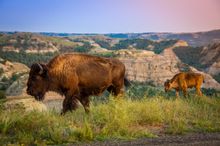
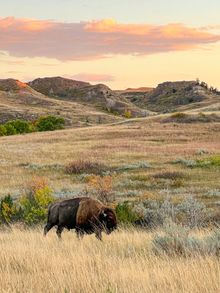
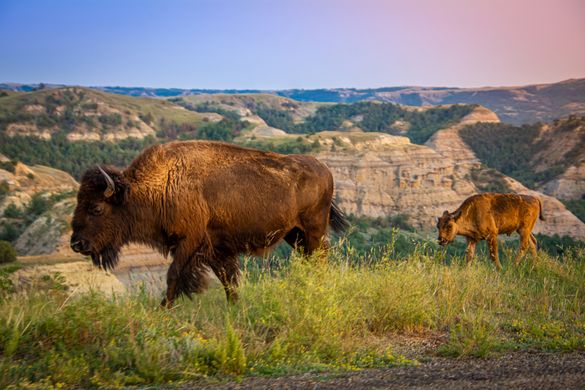
In the North Dakota Badlands of Theodore Roosevelt National Park, the iconic North American bison are most active near sunrise. Visitors can often find them near prairie dog towns, where they seek out new grass shoots. While these 2,000-pound mammals are a sight to behold, they are impressively agile, capable of running 35 mph and spinning faster than a horse.
A Rare Look at the North Dakota Badlands
The steep terrain of the North Dakota Badlands provides exclusive habitat for bighorn sheep, the rarest big-game species in the state. Currently numbering around 500 animals, this population is the largest the region has seen in more than 150 years. Spring travelers might also spot the feral horses of the park's South Unit, which represent the storied ranching history that brought Theodore Roosevelt to the region. These untamed bands are often found grazing on upland plateaus to catch the cooling spring winds.
Eagle Resurgence and National Wildlife Refuges
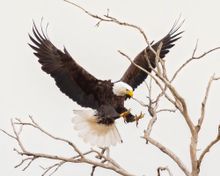
The spring migration serves as a backdrop for a massive conservation success story involving the bald eagle. Once nearly absent from the state, the population has surged to 348 occupied nests documented across 47 counties. During the spring thaw, these majestic birds congregate near open water along the Missouri River system, Lake Sakakawea and Devils Lake.
North Dakota supports this abundance of life through its 63 national wildlife refuges. Sites like Lostwood, Arrowwood and Audubon national wildlife refuges offer essential spring habitats for thousands of waterfowl and shorebirds. Many locations provide infrastructure such as auto tour routes and photography blinds, allowing visitors to get a front-row seat to the action without disturbing wildlife.
Plan Your Legendary Adventure
Whether watching bighorn sheep navigate the rugged terrain or witnessing millions of birds move through the Central Flyway, North Dakota offers a serene and uncrowded experience for nature lovers. For more information on viewing tips and the best locations to see the state's wildlife, visit NDTourism.com.
